
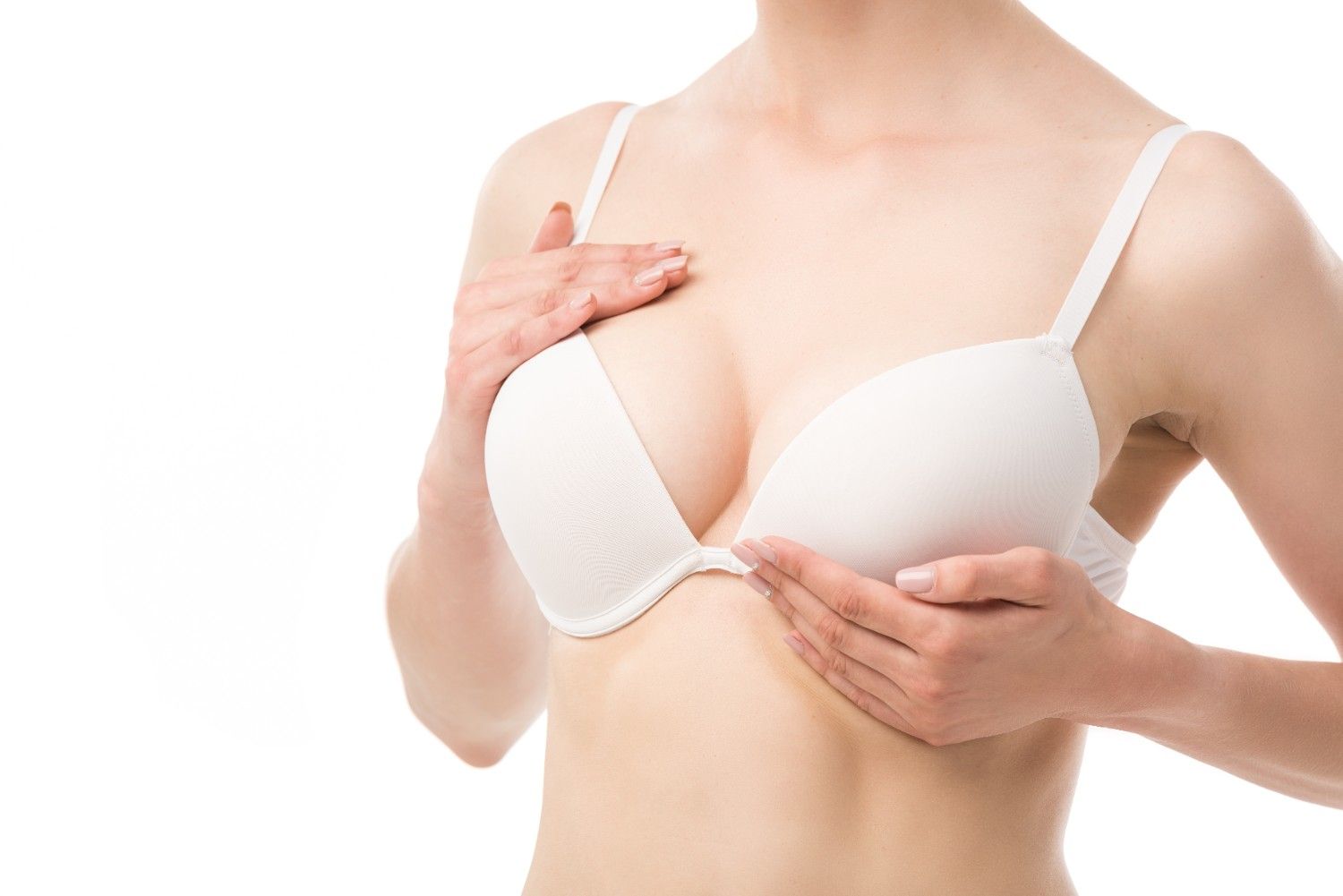
Considering a breast lift can be exciting, but like any surgical procedure, it’s important to understand the potential risks alongside the benefits. While generally safe, this procedure carries certain risks like asymmetry, changes in nipple sensation, and visible scarring that are important to consider. Being fully informed helps you approach surgery with realistic expectations and empowers you to take an active role in your safety and recovery.
This guide provides you with a clear overview of potential complications and side effects, along with practical steps to minimize risks for the best possible outcome.
What Are the Risks of Breast Lift Surgery
Breast lift surgery, like any operation, comes with specific risks and potential complications. Below are the main ones you should be aware of:
Infection
Bacteria can enter through incisions despite sterile techniques, potentially causing redness, swelling, and fever. Most infections are treatable with antibiotics when caught early. In rare cases, severe infection may require additional surgical intervention.
Bleeding
Excessive bleeding during or after surgery can lead to hematoma formation, where blood collects under the skin. This may cause significant swelling, pain, and pressure on healing tissues. Some cases require surgical drainage to resolve properly.
Anesthesia Risks
While generally safe, anesthesia can rarely cause adverse reactions including breathing difficulties, heart rhythm changes, or allergic responses. Anesthesiologists monitor patients closely throughout the procedure to manage any complications immediately.
Blood Clots
Surgery increases the risk of deep vein thrombosis, where clots form in leg veins. These can potentially travel to the lungs, causing a pulmonary embolism. Early ambulation after surgery helps significantly reduce this risk.
Poor Scarring
Your breast lift scars may heal as raised keloids or stretched, widened lines despite proper closure techniques. Individual healing characteristics and genetics play a major role in final scar appearance, though various treatments can improve their look over time.
Nipple Necrosis
In rare cases, compromised blood supply to the nipple-areola complex can cause tissue death. This serious complication may require debridement and can impact both appearance and sensation, potentially necessitating reconstructive procedures.
Reduced Ability to Breastfeed
The procedure may disrupt milk ducts and glandular tissue, which can affect future milk production. Many women can still breastfeed after surgery, but this is not guaranteed. If you’re planning future pregnancies, it’s important to discuss your plans for breastfeeding after surgery in detail with your surgeon before deciding on surgery. For some women, having their breast lift after pregnancy and after completing breastfeeding may be more suitable.
Changes In Nipple Sensation
Nerves controlling nipple sensation can be temporarily or permanently affected during surgery. Most patients experience temporary numbness or hypersensitivity that gradually improves, though some changes may be permanent in certain cases.
Seroma
Clear fluid may accumulate in spaces created during surgery, forming a swollen, tender pocket. While smaller seromas often resolve spontaneously, larger collections typically require drainage with a needle to prevent complications.
Fat Necrosis
When fatty tissue within the breast loses its blood supply, it can harden into firm, sometimes painful lumps. These may mimic breast cancer on examination and sometimes require imaging or biopsy for accurate diagnosis.
Skin Necrosis
Insufficient blood flow to skin edges can cause tissue death, particularly in smokers or those with compromised circulation. This may lead to wound separation and delayed healing, potentially requiring additional treatment.
Asymmetry
Natural breast asymmetry may persist or become more noticeable after surgery due to differences in healing. While surgeons aim for symmetry, perfect mirroring is difficult to achieve. The breast lift technique used can also influence how evenly each breast settles over time.
Delayed Healing
Various factors including smoking, poor nutrition, or underlying health conditions can slow the healing process. This may lead to prolonged recovery times and increased risk of other complications like infection or poor scarring.
Nerve Injury
Beyond sensation changes, surgical manipulation can potentially damage motor nerves affecting chest muscle function. While rare, this could impact muscle control and movement in the treated area.
Firmness
Internal scar tissue formation can create firm areas within the breasts, which may feel unusual or uncomfortable. These typically soften over several months but may persist in some cases, occasionally requiring massage or treatment.
Allergic Reactions
Rare hypersensitivity responses can occur to surgical materials, sutures, or medications used during the procedure. These range from mild skin reactions to more serious systemic responses requiring immediate treatment.
Common Breast Lift Surgery Side Effects
Some temporary effects are a normal part of the healing process rather than complications. These typically include swelling and bruising, which peak within the first few days and gradually subside over several weeks. Mild to moderate discomfort is common and can be managed with prescribed medication. Asymmetry is also possible during healing, as breasts may settle at slightly different rates. Most of these side effects resolve on their own as your body heals and your final results emerge.
How to Reduce the Risks of Breast Lift Surgery
You can greatly reduce your risk of complications during a mastopexy, and protect your results, with the right preparation and aftercare. Here are key steps that make a real difference:
- Choose a board-certified plastic surgeon with specific expertise in breast procedures
- Stop smoking completely at least 6 weeks before and after surgery
- Strengthening your chest muscles through targeted exercise before surgery
- Disclose all medications and supplements to avoid bleeding complications
- Follow all pre and post-operative instructions exactly as directed
- Maintain a stable weight before proceeding with surgery
- Attend all follow-up appointments for proper monitoring
- Report any concerns immediately to your surgical team
- Avoid sun exposure on healing incisions for at least one year
- Maintain a healthy lifestyle with balanced nutrition and adequate rest during recovery
Your actions after surgery are important. Diligently following your post-operative breast lift recovery process is your best defense against complications.
When Should You Call Your Surgeon
While some discomfort is normal, certain symptoms require immediate medical attention. Contact your surgeon right away if you experience the following signs:
- Fever above 38°C or chills
- Increasing redness, warmth, or swelling around incisions
- Pus or foul-smelling drainage from surgical sites
- Sudden, severe pain that doesn’t respond to medication
- Excessive bleeding through dressings
- Chest pain or difficulty breathing
- One breast becoming significantly larger than the other
- Nipple discoloration (turning dark purple or black)
- Incisions pulling apart or not healing
Frequently Asked Questions (FAQs)
Temporary changes in nipple sensation are among the most common occurrences, followed by typical surgical side effects like swelling and bruising that resolve during normal healing.
No, there is no evidence that breast lift surgery causes breast cancer. In fact, the procedure may make self-exams and mammograms easier to perform by creating a firmer breast contour.
Most serious complications go away within the first few weeks, while scar maturation and final sensation changes can take up to a year to fully stabilize.
Both procedures have similar risk profiles, though combining a lift with implants carries slightly higher risks than either procedure alone.
Yes, significant weight fluctuations can stretch the skin and compromise your results, making it important to maintain a stable weight after surgery.
Conclusion
Understanding the risks of a breast lift is an important part of making an informed decision. Choosing an experienced surgeon and following all pre- and post-operative advice helps keep complications low and protects your results.If you’re considering a breast lift, book a consultation with our specialist breast surgeon at Auralia to discuss your goals, treatment options, and what the result could look like for you.