
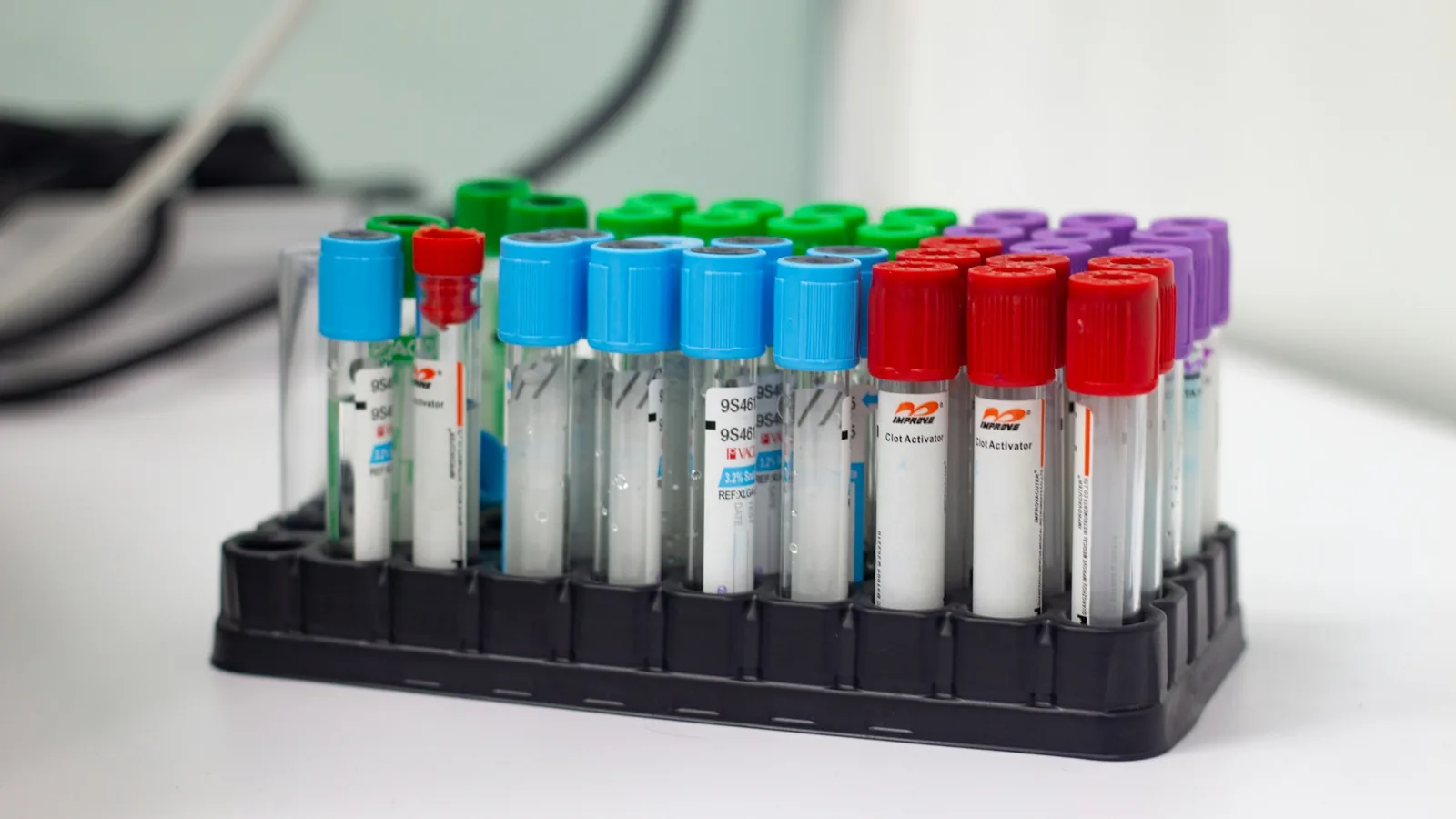
December is a time for looking after everyone else. But what about looking after yourself? Checking your health markers before the new year is one of the simplest places to start.
Between Christmas shopping, work deadlines, family commitments and festive celebrations, December is one of the busiest months of the year. It is also when our own health and wellbeing slip down the priority list. We promise ourselves that January will be different: we’ll eat better, exercise more and finally make time for our health.
But why wait? Do it in December and you start the new year knowing where you stand, instead of guessing.
In short
- Health markers are measurable values in your blood, such as cholesterol, blood sugar, liver and kidney function, vitamin D, iron, B12 and thyroid hormones.
- In Ireland, the HSE says sunlight between October and early March is not strong enough for your body to make vitamin D.
- Feeling tired in winter is common. Low vitamin D, low iron or B12 and an underactive thyroid are some of the measurable reasons behind it.
- Cholesterol and blood sugar can sit outside the recommended range without any symptoms at all.
- Knowing your numbers in December gives you a baseline before you set your goals for the new year.
Your Health Doesn’t Need a New Year’s Resolution
Every January, we make resolutions to improve our health. But taking care of yourself doesn’t have to mean a dramatic lifestyle change. Sometimes the best place to start is simply understanding where you are today.

Your health markers give you that picture. Cholesterol, blood sugar, liver and kidney function and your vitamin and mineral levels can point to a possible concern early, and they turn vague goals (“eat better”, “have more energy”) into specific ones you can measure again later in the year.
Think of it as giving yourself a clearer picture of your wellbeing before setting your goals for the year ahead.
Tired in Winter? The Health Markers Worth Checking
The Irish winter brings shorter days, colder weather and less natural sunlight. Around the shortest day in December, Dublin gets only about seven and a half hours of daylight. For many of us that means feeling more tired, less energetic or simply not quite ourselves.

Often that is just the season, late nights and a full diary. The HSE notes that seasonal low mood usually starts in autumn or winter and lifts in spring. But sometimes there is a measurable reason behind winter tiredness, and these are the health markers worth looking at.
Vitamin D: very little sun for half the year
Your skin makes vitamin D from sunlight, but the HSE explains that in Ireland, sunlight between October and early March is not strong enough for this. Research from The Irish Longitudinal Study on Ageing (TILDA) at Trinity College Dublin found that one in eight older adults in Ireland were deficient in vitamin D, rising to one in four during the winter.

Low vitamin D can show up as tiredness, aching muscles, low mood or picking up every cold going. Because those signs are vague, knowing your actual level is more useful than guessing which supplement to buy.
Iron and vitamin B12
Low iron stores (ferritin) and low vitamin B12 are common causes of tiredness, weakness and poor concentration. Women with heavy periods, vegetarians and vegans, older adults and people on some long-term medicines are more likely to run low. You can have a normal haemoglobin result and still have low iron reserves, which is why ferritin is measured on its own.
Thyroid function
An underactive thyroid slows the body down and can cause fatigue, weight gain, feeling cold and difficulty concentrating. Every one of those is easy to blame on winter or a busy month, which is why thyroid hormones (TSH and free T4) are worth knowing.
Cholesterol and blood sugar: health markers with no symptoms
Unlike the markers above, raised cholesterol and blood sugar usually cause no symptoms, especially early on. You can feel completely well and still have results outside the recommended range. HbA1c is useful here because it reflects your average blood sugar over the last two to three months, not just one morning.
Measuring these markers can help identify certain underlying issues and gives you useful information to discuss with your healthcare professional.
Making Time to Check Your Health Markers in December
One of the biggest reasons people postpone looking after their health is time. At Auralia, we believe a proactive approach to your health should be straightforward. You can book directly without a GP referral, the visit is short, and your results come back as a clear digital report.

Testing takes place at Auralia’s accredited private hospital in Park West, Dublin 12. You can read how it works on our page about private health screening in Dublin.
Where to Start With Your Health Markers
Everyone’s health needs are different, so the right starting point depends on what you want to know:
- For an overview of key markers such as cholesterol, blood glucose, liver and kidney function, look at the Basic Health Screen.
- For a broader picture of your health, the Advanced Health Screen goes further.
- If winter tiredness is the main question, the Fatigue & Energy Profile is built around it.
- If you want to know your vitamin D, iron and B12 before choosing supplements, see the Vitamins & Minerals Panel.
If your tiredness is severe, came on suddenly, or comes with other symptoms such as weight loss, breathlessness or chest pain, speak to your GP straight away.
Start the New Year With Knowledge, Not Guesswork
January often arrives with ambitious plans for better health. But wouldn’t it help to start the year already knowing your numbers? Checking your health markers in December gives you a baseline, so your goals for 2027 are built on facts: lower your cholesterol, bring your vitamin D up, get your energy back.
And if a result needs attention, you can discuss the next steps with your GP or another qualified healthcare professional early in the year.
Looking after your health isn’t about finding something wrong. It’s about being proactive, asking questions and making informed choices. This Christmas, alongside everything you’re doing for others, make a little time for yourself.
Don’t wait until January. Make your health a priority this December. Explore Auralia’s health screening packages →
Frequently Asked Questions
Health markers are measurable values, usually taken from a blood sample, that give a picture of how parts of your body are working. Common examples are cholesterol, blood sugar (glucose and HbA1c), liver and kidney function, vitamin D, iron and ferritin, vitamin B12 and thyroid hormones. Each result is compared with a reference range.
Shorter days, less daylight, colder weather, late nights and a busier schedule all affect energy levels in winter. The HSE notes that seasonal low mood usually starts in autumn or winter and improves in spring. Low vitamin D, low iron or B12 and an underactive thyroid can also cause tiredness, and these can be measured.
December gives you a baseline before you set goals for the new year, so those goals are based on your own numbers rather than guesswork. It also means that if a result needs attention, you can arrange the next step with your GP early in January instead of starting the process then.
Cholesterol and blood sugar are the best-known examples. Both can sit outside the recommended range for years without causing any symptoms, which is why people who feel well are often surprised by their results. Low vitamin D and low iron stores can also develop slowly before you notice any change.
Health screening provides information about selected health markers but does not replace medical diagnosis or a visit to your GP. If you have persistent or concerning symptoms, seek medical advice.