

Facelift Surgery in Ireland

Restore a youthful facial appearance with facelift surgery designed to smooth sagging skin and refine facial contours

Excellent  4.8 out of 5

Trusted by 35,000+ Irish Patients Since 2001

Facelift At A Glance

Results

Smoother, Youthful Facial Contours

Surgery Duration

2 to 5 Hours

Anaesthesia

General

Hospital Stay

Day case

Avg. Recovery

2 to 3 Weeks

Price

From €347/month

Benefits of Facelift

shiny icon

Reduces sagging and tightens facial skin for a firmer, more youthful appearance

shiny icon

Smooths deep wrinkles and creases, including nasolabial folds and marionette lines

shiny icon

Redefines facial contours by improving cheek volume and reducing jowls

shiny icon

Removes excess fatty tissue to refine facial shape and balance

shiny icon

Boosts confidence by helping patients feel more attractive and youthful

shiny icon

Delivers long-lasting, natural-looking results that typically last 5 to 10 years

shiny icon

Improves overall facial harmony and proportions
Benefits of Facelift

shiny icon

Reduces sagging and tightens facial skin for a firmer, more youthful appearance

shiny icon

Smooths deep wrinkles and creases, including nasolabial folds and marionette lines

shiny icon

Redefines facial contours by improving cheek volume and reducing jowls

shiny icon

Removes excess fatty tissue to refine facial shape and balance

shiny icon

Boosts confidence by helping patients feel more attractive and youthful

shiny icon

Delivers long-lasting, natural-looking results that typically last 5 to 10 years

shiny icon

Improves overall facial harmony and proportions
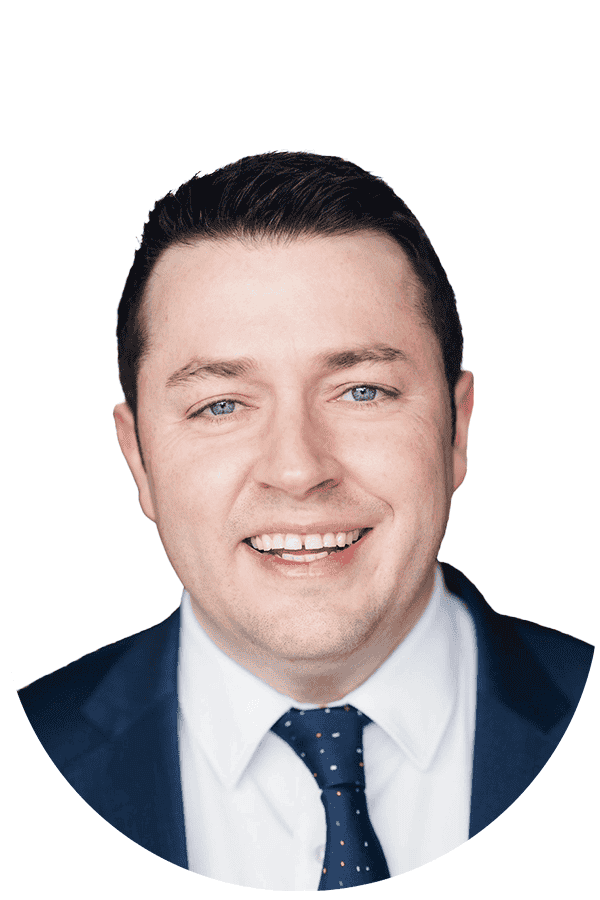
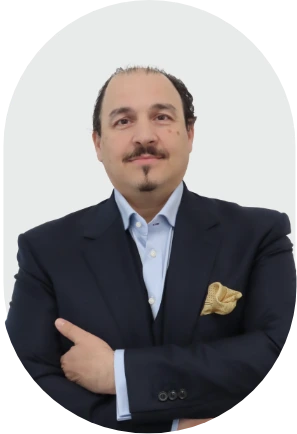
dr ahmed-ramzi-salman

Meet Your Facelift Surgeon

Dr Salman is Auralia's founder and our board-certified cosmetic surgeon. He combines decades of experience to deliver natural-looking, personalised results.

25 years of experience

+20,000 successful procedures

Irish Medical Council – No : 20406

+20,000 Successful Procedures
25 Years
of Experience
dr ahmed-ramzi-salman

DR. AHMED RAMZI SALMAN

MB. BCH. BAO. BMEDSC. Cosmetic Surgeon

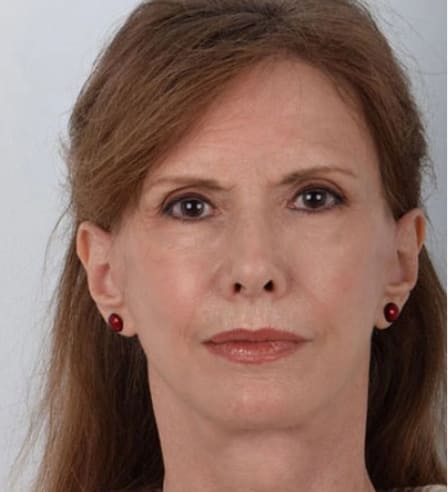
Before & After Facelift Surgery

Edit Content
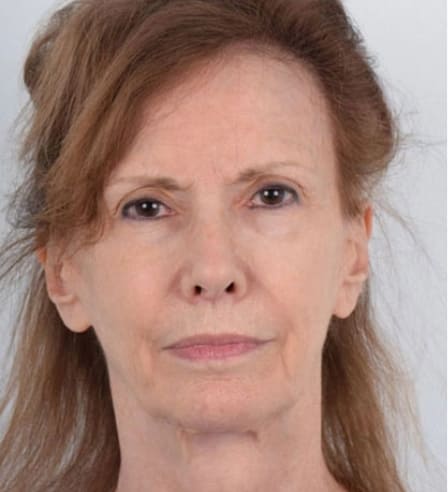
a woman's face before face and neck lift surgery

Before

a woman's after before face and neck lift surgery

After

Facelift Surgery Process

Step 1: Incisions

Carefully placed incisions are made within the hairline and around the ears to minimise visible scarring and blend naturally with facial contours.

Step 2: Skin & Tissue Lift

The skin is gently lifted from the underlying structures to access the deeper support layer responsible for facial sagging.

Step 3: Muscle & Fat Adjustment

The underlying facial muscles are tightened, and fat may be sculpted, repositioned, or removed.

Step 4: Skin Redraping

The skin is repositioned smoothly over the newly contoured face, excess skin is removed, and the incisions are closed with fine sutures for optimal healing.
This procedure is fully customised to your own needs and goals.

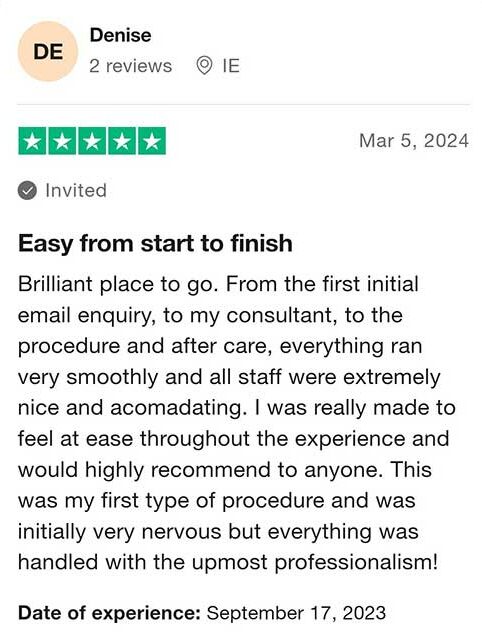
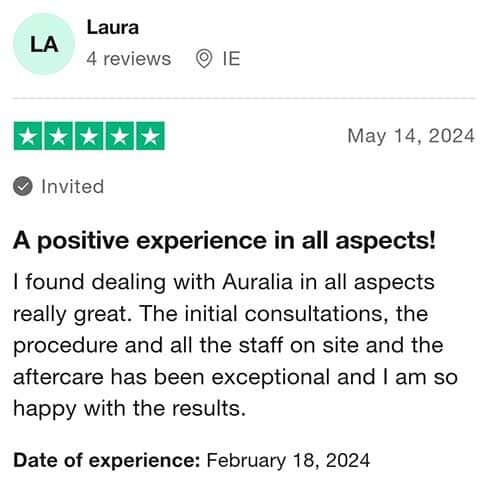
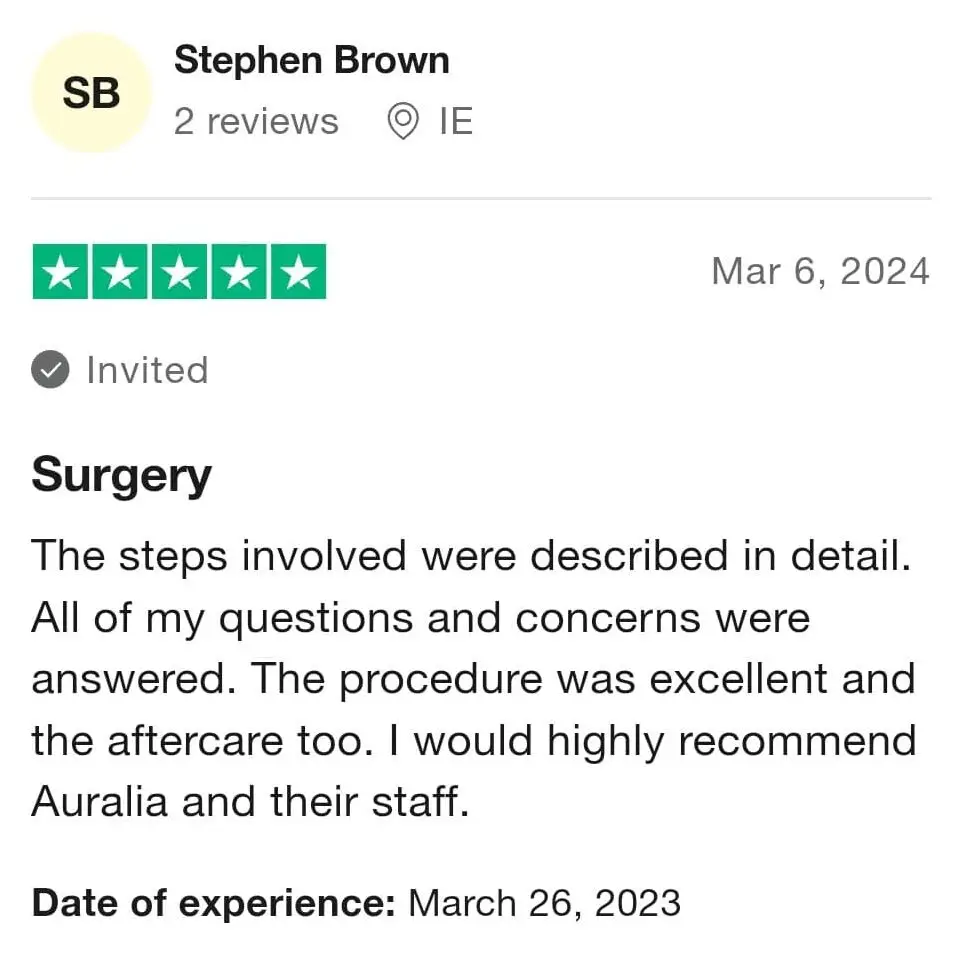
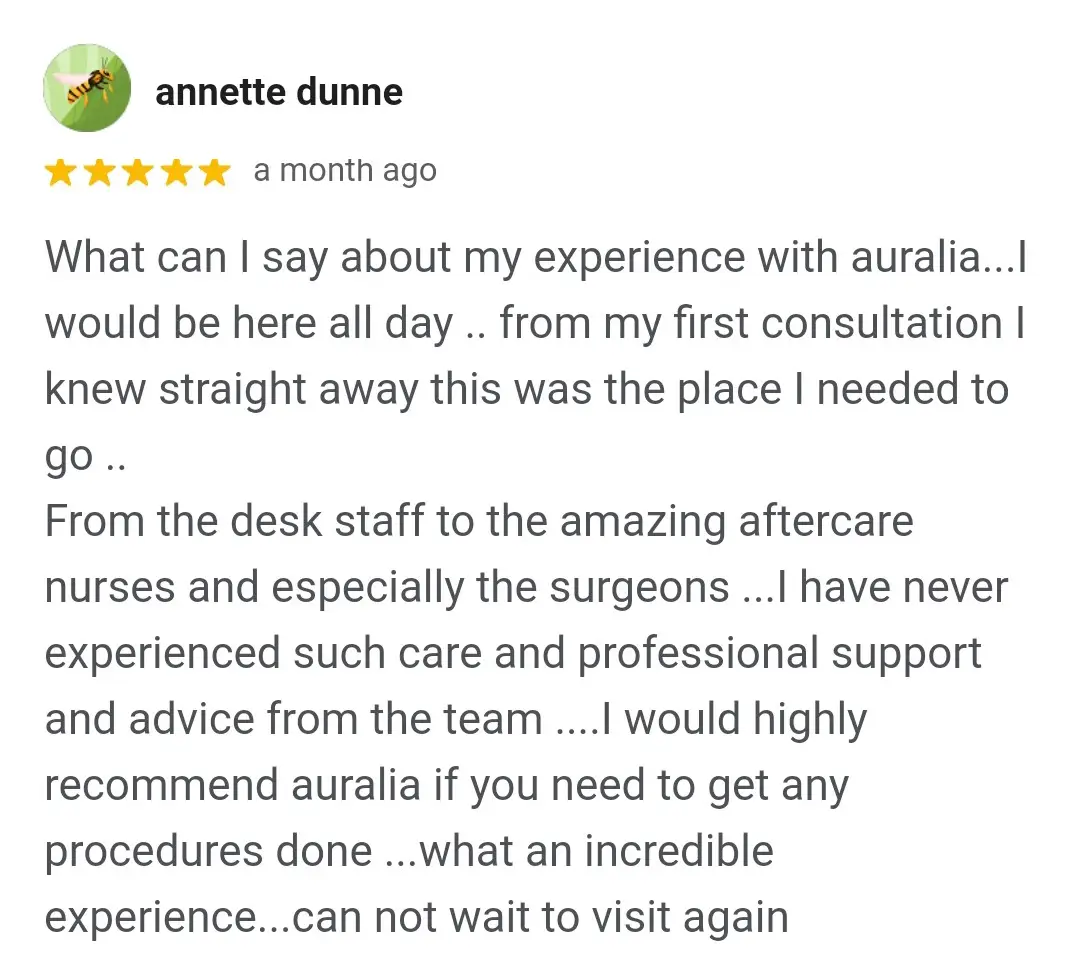
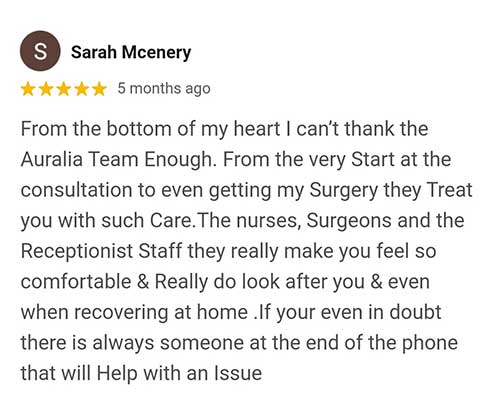
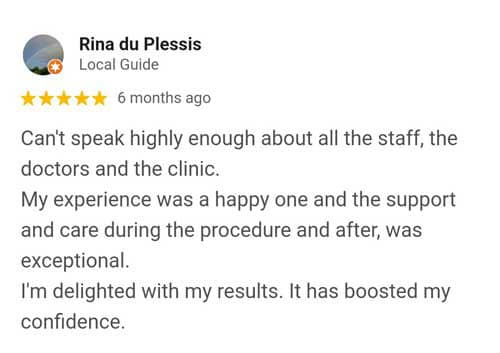
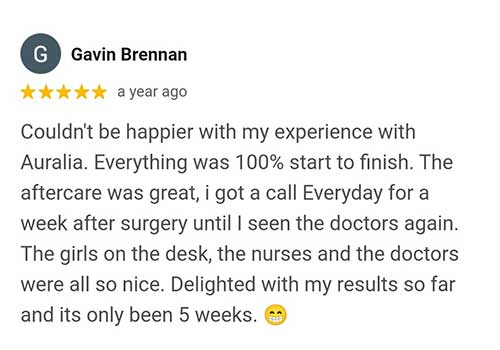
Reviews From Our Patients

Types Of Facelift Surgeries

Targets moderate to advanced facial ageing by lifting the mid-face, lower face, and jawline. Ideal for significant sagging, deep wrinkles, and jowls.

Addresses deeper facial structures (SMAS layer) to achieve more natural, longer-lasting results, particularly effective for mid-face sagging and deep folds.

Focuses on tightening the underlying muscle layer as well as the skin, improving facial support and contour with natural-looking outcomes.

Designed for early signs of ageing, this less invasive option targets mild sagging around the lower face and jawline with shorter incisions and recovery time.

 

Lifts and restores volume to the cheek area and under the eyes, improving hollowing and mid-face drooping without fully addressing the jawline.

Traditional (Full) Facelift

Targets moderate to advanced facial ageing by lifting the mid-face, lower face, and jawline. Ideal for significant sagging, deep wrinkles, and jowls.

SMAS Facelift

Focuses on tightening the underlying muscle layer as well as the skin, improving facial support and contour with natural-looking outcomes.

Mini Facelift

Designed for early signs of ageing, this less invasive option targets mild sagging around the lower face and jawline with shorter incisions and recovery time.

Why Choose Auralia for Your Facelift

Unmatched Experience

25 years of experience and over 35,000 procedures performed.

International Accreditation

Internationally accredited private hospital with state of art the facilities. No long waiting lists!

Expert Team

A full experienced medical team led by one of Ireland’s most experienced cosmetic surgeons.

All-Inclusive Package

Everything from surgeon & theatre, to aftercare and follow ups with monthly payment options—no hidden fees.

Personalised Care

Custom support from consultation to recovery, designed for you.

Patient Centric

A welcoming, judgment-free environment where your goals are always the priority

Awarded for Outstanding Patient Service

Featured In

Facelift Cost & Finance in Ireland

Everything included. No hidden fees.

✦ Facelift Care Plan ✦

✦ Consultant surgeon assessment and pre-operative tests

✦ Free initial consultations

✦ Hospital, surgeon, anaesthesia, and dedicated theatre

✦ Post-operative nursing care in hospital

✦ Scheduled follow-ups and long term Irish aftercare

✦ 24/7 direct surgeon helpline (for emergency)

Full Face Price

From €347/month

spread over 36 months

We’ll handle everything with you, so it feels simple and stress-free

Your Rhytidectomy Journey With Auralia

Step 1.

Free, No Obligation Consultation Booking

To start your surgery process, firstly book your consultation by calling us on (01) 612 0551 or filling a consultation form here.

Step 2.

Day-Case Surgery

On your surgery day, you’ll have a dedicated medical team to take care of you. The surgery duration can take from 2 to 5 hours depending on its complexity, and you will leave the hospital on the same day .

Step 3.

Recovery & Aftercare

Your support continues long after the surgery. You’ll receive a full recovery plan, 24/7 access to our surgical team via an emergency number, and in-person medical reviews (consultations) at our private hospital when needed.

Who Is a Good Candidate for Facelift?

You are likely a good candidate for Rhytidectomy if:


✦ You have noticeable facial sagging, jowls, or deep wrinkles.

✦ You have loose skin and loss of facial definition due to ageing.

✦ You want natural-looking facial rejuvenation rather than a “pulled” appearance.

✦ Are in good general health and have realistic expectations about results and scarring.

✦ You do not smoke or vape, or you are willing to stop before and after surgery.

Facelift Surgery FAQs

A facelift (rhytidectomy) is a surgical procedure that repositions and tightens the deeper facial support layer and removes excess skin to create a more youthful, refreshed appearance. It treats visible signs of ageing such as sagging skin in the lower face, jowls along the jawline, and deep creases around the mouth. A facelift is designed to restore definition and reduce heaviness, while keeping your features looking natural rather than “changed.” It is not a skin-only procedure. It addresses the underlying laxity that creams, lasers, and injectables cannot fully correct once sagging becomes more pronounced.

Facelift price at Auralia starts from €347/month.

We offer flexible plans to suit every budget. Our financing plans makes you able to spread your procedure cost over 36 monthly payments.

The price include everything you need to be covered, from hospital fees, anaesthesia, surgeon, consultations, to premium Irish aftercare and follow ups. No hidden extras.

Get in touch with us to get more details about financing your surgery in Ireland.

A facelift primarily improves the mid-to-lower face and jawline. Depending on the technique, it can:

  • Reduce jowls and restore a cleaner jawline

  • Smooth deep folds that run from the nose to the mouth (nasolabial folds) and lines around the mouth

  • Lift and tighten sagging skin in the lower cheeks

  • Improve facial contour and reduce “heaviness” in the lower face
    It does not directly treat eyelids, forehead lines, or skin quality concerns such as pigmentation. Those areas may be better addressed with eyelid surgery, brow procedures, or skin treatments, which can be discussed during consultation.

The choice depends on how advanced the facial laxity is and what result you’re aiming for. A mini facelift is usually best when ageing changes are mild to moderate and mainly concentrated around the jawline, early jowls, and minor lower-face sagging. It uses shorter incisions and can involve a shorter recovery, but it has limits. A full facelift is typically recommended when sagging is more significant, jowls are heavier, and folds and facial droop are more pronounced. It provides a more comprehensive lift and longer-lasting structural improvement. In consultation, your surgeon will assess skin quality, facial anatomy, degree of laxity, and your goals, then recommend the technique that will genuinely deliver the outcome you want.

Facelift results are long-lasting. Most patients enjoy a meaningful improvement for many years, and it’s common to hear ranges like 7 to 10 years depending on the technique, skin quality, lifestyle, and genetics. It’s important to understand that a facelift doesn’t stop ageing. Instead, it “resets” the clock. You’ll continue to age naturally, but from a more youthful baseline. Maintaining a stable weight, protecting your skin from sun exposure, and following a healthy lifestyle can help preserve results longer.


A well-performed facelift should not make you look pulled, tight, or unnatural. That “overdone” look usually comes from excessive tension on the skin rather than addressing the deeper support layer. Modern facelift techniques focus on lifting and re-suspending deeper tissues and then redraping the skin smoothly without strain. The goal is to look like a refreshed version of yourself, not like a different person. In consultation, ask to see before-and-after results that match your age group and concerns, and discuss the exact style of outcome you want.


Recovery is gradual and happens in phases. Most swelling and bruising is most noticeable in the first 1 to 2 weeks, then steadily improves. Many patients feel comfortable being seen socially again around 2 to 3 weeks, although mild swelling can persist longer, especially in the mornings. Full “settling” of the tissues and scar maturation continues over several months. Your surgeon will guide you on wound care, activity restrictions, sleeping position, and scar care to ensure the smoothest recovery and best final result.

Many patients return to desk-based work in about 2 weeks, sometimes sooner if bruising is minimal and they feel comfortable. If your work is physically demanding, involves lifting, or requires a lot of public-facing interaction, you may wait closer to 3 weeks or more. It’s not just about being medically safe, it’s also about how confident you feel with residual bruising or swelling. Your surgeon will tailor advice based on the extent of your procedure and how you’re healing at follow-up.

Facelift surgery is generally safe when performed by an experienced surgical team in an appropriate hospital setting with proper pre-operative assessment and aftercare. Safety depends on good patient selection, a thorough medical history review, stopping smoking/vaping as advised, and following recovery instructions carefully.

All surgery carries risk. Facelift risks can include bleeding (haematoma), infection, delayed wound healing, noticeable scarring, asymmetry, fluid collection (seroma), skin irregularities, and temporary or permanent changes in sensation (numbness). Rarely, injury to facial nerves can occur, which may cause weakness in facial movement. There can also be risks related to anaesthesia. The best way to reduce risk is choosing an experienced surgeon, disclosing your full medical history, avoiding nicotine, and following aftercare guidance closely. Your surgeon should walk you through your individual risk profile during consultation, not just generic risks.


A facelift does leave scars, but they are usually placed strategically within the hairline and natural creases around the ears so they are difficult to notice once healed. In the early weeks, scars can look pink or firm, which is normal. Over time they typically fade and soften. Following scar management advice can significantly improve the final appearance.

Yes. Facelift surgery is commonly combined with eyelid surgery when patients have both lower-face sagging and ageing around the eyes. This can create a more balanced, harmonious rejuvenation because treating only one area can sometimes leave the other looking unchanged. Combining procedures can also mean a single anaesthetic and one overall recovery period, but it must be planned carefully for safety. Your surgeon will advise whether combining is appropriate based on your health, anatomy, and goals.

Yes. A facelift repositions and tightens tissues, but it does not always fully restore lost volume. Fat transfer (using your own fat) can be added to areas like the cheeks, temples, or around the mouth to restore softer, more youthful fullness. Some patients prefer fillers instead, either later or in selected areas. In general, structural lift plus thoughtful volume restoration can create more natural-looking results than either approach alone. Your surgeon will advise what makes the most sense for your facial structure and desired outcome.

It depends on your anatomy and what bothers you most. If you have significant neck laxity, banding, or heaviness under the chin, combining a facelift with a neck lift often gives the most complete and consistent result. A consultation will clarify whether a face-only lift will meet your goals or whether a combined approach would deliver a better overall outcome.

More Inspirational Stories of Our Patients!

Rated Excellent . 194 Reviews

Want to speak to our advisor on the phone?