
Gastric Bypass Surgery In Ireland
Gastric bypass can support significant, long-term weight loss by reducing hunger, limiting portions, and changing how your body absorbs calories.
Excellent 4.8 out of 5

Trusted by 35,000+ Irish Patients Since 2001
Gastric Bypass Surgery At A Glance
Weight Loss
60-70%
Surgery Duration
1 to 2 Hours
Anaesthesia
General
Hospital Stay
1 night
Avg.Recovery
2 Weeks
Price
From €337/month

Meet Your Gastric Bypass Surgeon
When you’re putting your health and future in someone’s hands, experience matters. Dr. John Loy is head of our Bariatric Unit.
Dr. Loy is a world-renowned Consultant Bariatric Surgeon, originally from Antrim and operating full-time at Auralia.
+2,740 successful procedures
Member of the Royal College of Surgeons
+2,740 successful procedures
Member of the Royal College of Surgeons
Senior Lecturer at Queen Mary University, London
Gastric Bypass Surgery Explained by Dr Loy
Book a free online or in person consultation with Dr Loy today!
The Benefits Of Gastric Bypass Surgery



Full insurance provided to protect you from complications.
Katrina's Bypass Surgery Experience with Auralia
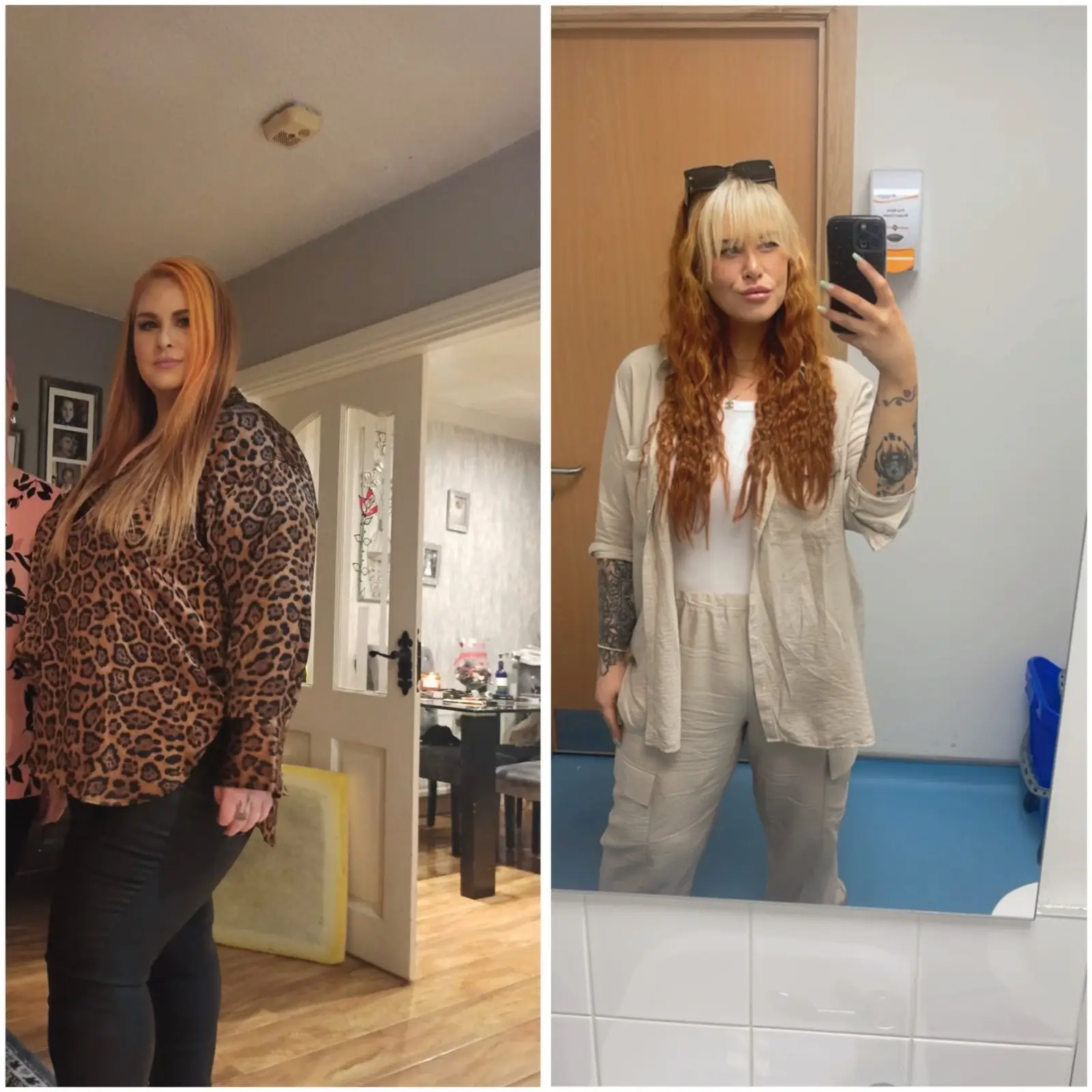

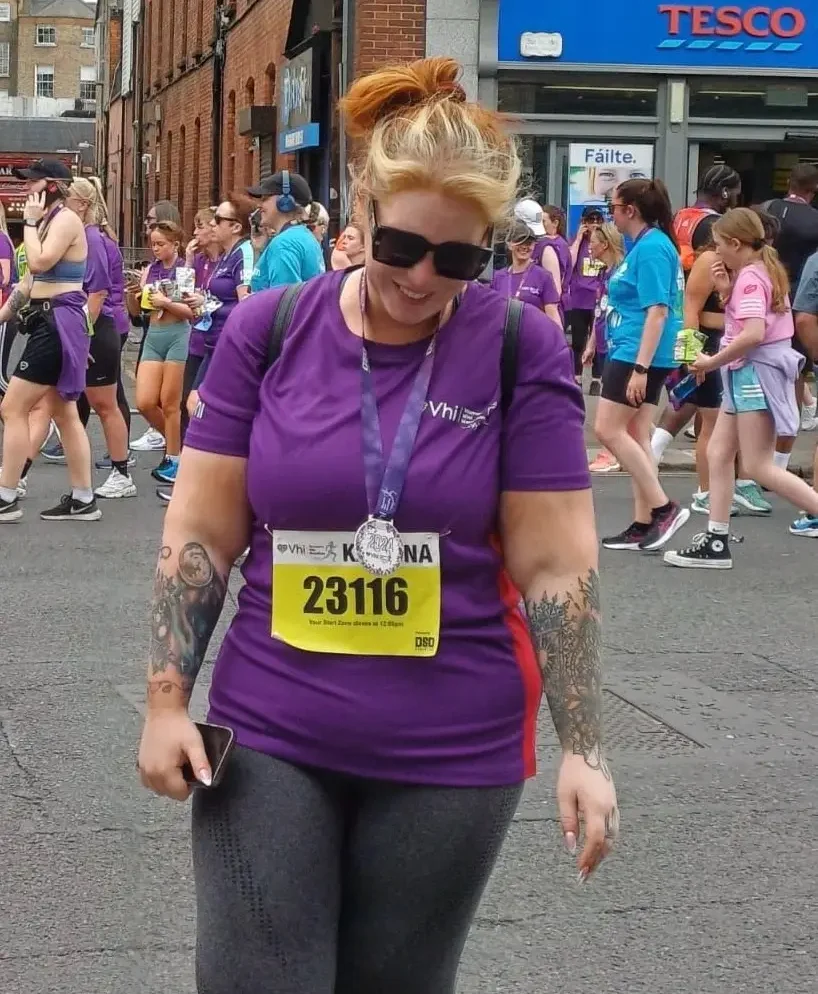
I have struggled with my weight my entire life, and it had completely spiralled out of control, peaking at 26st 7lbs.
1 year later and almost 12st less, I can safely say that having this surgery almost certainly saved my life. I had high BP and was pre-diabetic, both of which has been comfortably reversed without medication.
I will be forever grateful to my team at Auralia for giving me back the control over my life that I had lost, and I can’t recommend them enough.Katrina Darcy
Why Patients Trust Auralia With Their Gastric Bypass Surgery
Unmatched Experience
24 years of experience and over 35,000 procedures performed.
International Accreditation
Internationally accredited private hospital with state of the art facilities. No long waiting lists!
Expert Team
A full experienced medical team led by one of Ireland’s most experienced bariatric surgeons.
All-Inclusive Package
Surgeon, theatre, & aftercare with monthly payment options—no hidden fees.
Personalised Care
Custom support from consultation to recovery, designed for you.
Patient Centric
A welcoming, judgment-free environment where your goals are always the priority
Susan's Before & After

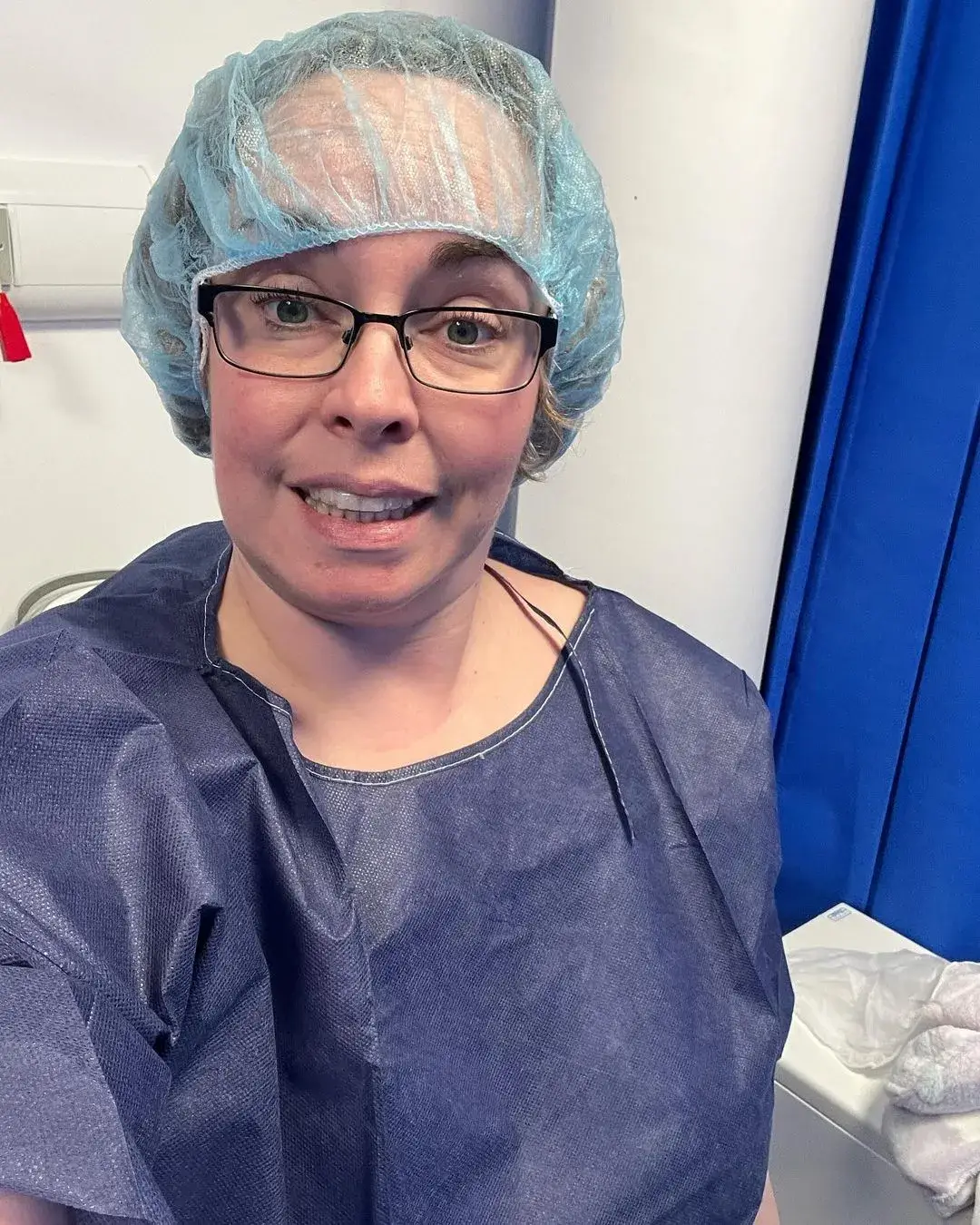





I tried pretty much every diet you can think of I've tried: motivation, Weight Watchers, Slimming World, all of them.
Happy, but wish I’d done it sooner. That’s my only regret, is that I didn’t think of doing it sooner, instead of struggling for 41 years with my weight.Susane, 41 years old

Awarded for Outstanding Patient Service
Featured In








1st Internationally Accredited Private Hospital in Ireland



- 3 Locations Across Ireland
- Online & In-Person Consultations
- 25 Years of Experience
- 3 Locations Across Ireland
- Online & In-Person Consultations
- 25 Years of Experience
Gastric Bypass Vs Mini Gastric Bypass
GASTRIC BYPASS
- Creates a small stomach pouch and connects it to the small intestine in a two-anastomosis
- Typically 60–120 minutes
- 60–70% excess weight loss
- Longer recovery time
- well-studied long-term outcomes
MINI GASTRIC BYPASS
- Creates a small stomach pouch and connects it to the small intestine in a single-loop anastomosis
- Typically 60–90 minutes
- 50–60% excess weight loss
- Faster recovery time
- Less studied long-term outcomes
GASTRIC BYPASS
- Creates a small stomach pouch and connects it to the small intestine in a two-anastomosis
- Typically 60–120 minutes
- 60–70% excess weight loss
- Longer recovery time
- well-studied long-term outcomes
MINI GASTRIC BYPASS
- Creates a small stomach pouch and connects it to the small intestine in a single-loop anastomosis
- Typically 60–90 minutes
- 50–60% excess weight loss
- Faster recovery time
- Less studied long-term outcomes
Which Option Should You Choose?
Choosing between a traditional gastric bypass and a mini gastric bypass depends on your health, weight loss goals, and personal circumstances. Both procedures are highly effective, but factors such as your medical history, anatomy, and lifestyle may make one option more suitable than the other. During your consultation, our experienced bariatric surgeons will review your situation in detail and guide you toward the procedure that is safest and most effective for achieving your weight loss goals.
Gastric Bypass Price & Finance in Ireland
The Bypass Care Plan. Everything included. No hidden fees.
✦ Gastric Bypass Care Plan ✦
✦ Consultant surgeon assessment and pre-operative tests
✦ Free consultations
✦ Hospital, anaesthesia, dedicated bariatric theatre
✦ Post-operative night in hospital
✦ Dietitian program and supplement guidance
✦ Auralia App : Access to excercise, lifestyle & cooking classes from your home
✦ Surgical insurance post operation
✦ Scheduled follow-ups and full Irish aftercare
From €337 per month
Finance options (up to 36 months)
We’ll handle everything with you, so it feels simple and stress-free
Your Bypass Sleeve Journey
Step 1.
Free consultation with your surgeon
You can have your consultation either from home via Zoom or in person at our private hospital. In this first appointment, you’ll meet your surgeon, review your health history and goals, then agree on the next steps together.
To start your surgery process, firstly book your free consultation by calling us on (01) 612 0551 or filling a consultation form here.
Step 2.
Convenient local pre-op tests
You will need blood tests and scans completed prior to surgery. Our team will provide you with all the required instructions and referrals, making this step hassle-free.
Step 3.
Gastric Bypass Surgery Day
On your surgery day, you’ll have a dedicated medical team to take care of you. The surgery duration is around 90 minutes, and usually you will leave the hospital the next day.
Step 3.
Recovery & Aftercare
Your support continues long after the surgery. You’ll receive a full recovery plan, 24/7 access to our surgical team via an emergency number, remote follow-up through our weight-loss app, and in-person medical reviews at our private hospital when needed.
Auralia's Weight Loss App
Everything you need throughout your journey from the comfort of your home!
Our Auralia Weight Loss App is designed to help you achieve lasting results by supporting every aspect of your weight loss journey. More than just a tracking tool, it’s a holistic companion that keeps you motivated, informed, and connected to your care team.
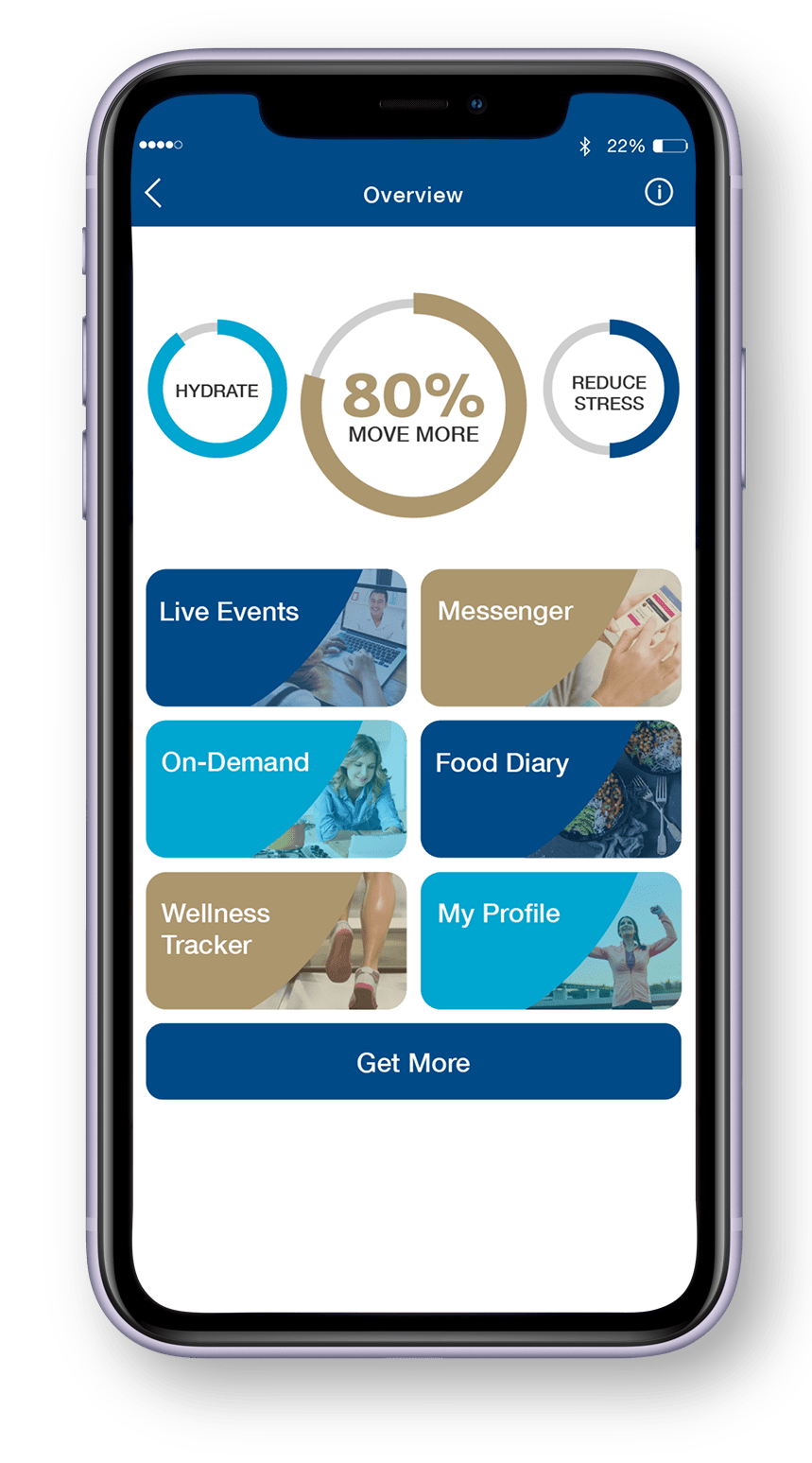
- Nutritional classes (live & pre-recorded)
- Exercise classes (live & pre-recorded)
- Mindset classes (live & pre-recorded)
- Healthy recipes and Cooking classes
- Food diary and Weight loss tracker
- Dietician appointments
- Instant messaging service with your dietician
How Does The Gastric Bypass Surgery Work?
The gastric bypass works by three mechanisms

CALORIC RESTRICTION
The small pouch restricts the amount of food that can be eaten during one sitting which means fewer calories are taken in.

HORMONAL CHANGES
Re-routing the food stream by bypassing part of the small bowel causes a change in ghrelin (hormone for appetite). This causes a reduction in appetite helping you eat less and lose weight faster.

REDUCTION IN CRAVINGS
Help reduce your interest in high-fat foods, alcohol and sweets which lowers your consumption of high-calorie food.
Watch Aaron's Journey
My journey started 7 months ago at 22 stone 10lbs, no confidence and unhappy.
Today I am now 15 stone 7 lbs! Down 7 stone 3 lbs, feeling better than ever in life!Aaron Cullen, 25 years old
Aaron did it and so can You!
Gastric Bypass Surgery FAQs
There are a lot of versions of the gastric bypass (or the Roux-en-Y gastric bypass) but they all do the same thing.
Gastric bypass (Roux-en-Y) is performed under a general anaesthetic, your surgeon creates a small stomach pouch so you feel full with much smaller portions, then reroutes part of your small intestine so food passes from this new pouch into a lower section of the bowel. In simple terms, it’s a combination of making the stomach smaller and changing the food pathway through the gut, which supports weight loss and health improvements.
The average excess weight loss after a gastric bypass is around 70%. In other words, if you were 100lbs overweight before surgery you can expect to lose around 70lbs. As with the sleeve gastrectomy there is a tendency towards weight re-gain over time, but even at 10-years most patients will keep at least 50% of their excess weight off.
Furthermore, weight loss with the gastric bypass seems to be greater and more durable than with either the gastric band or the sleeve gastrectomy.
Gastric Bypass cost depends on various factors like your current weight and targeted weight.
At Auralia we can help you spread the cost of the surgery up to 36 monthly payments.
Please contact us to get your procedure price!
CALORIC RESTRICTION
The small pouch restricts the amount of food that can be eaten during one sitting which means fewer calories are taken in.
HORMONAL CHANGES
Re-routing the food stream by bypassing part of the small bowel causes a change in ghrelin (hormone for appetite). This causes a reduction in appetite helping you eat less and lose weight faster.
REDUCTION IN CRAVINGS
Help reduce your interest in high-fat foods, alcohol and sweets which lowers your consumption of high-calorie food.
In order to be eligible for Roux-en-Y Gastric Bypass surgery, your BMI should be over 30.
You will also need to complete a surgical, medical, psychological and dietary evaluation before you’re approved for a gastric bypass. If you have any questions about eligibility, feel free to get in contact with our team today.
Dumping syndrome is a condition that can develop after gastric bypass and also after sleeve gastrectomy. It occurs when sugars move from the stomach into the bowel too quickly.
Most people with dumping syndrome develop signs and symptoms, such as abdominal cramps and diarrhea, 10 to 30 minutes after eating. Other people have symptoms one to three hours after eating, and still others have both early and late symptoms. These include:
● Nausea
● Vomiting
● Abdominal cramps
● Diarrhea
● Flushing
● Dizziness, lightheadedness
● Rapid heart rate
Generally, you can help prevent dumping syndrome by changing your diet after surgery. Changes might include eating smaller meals and limiting high-sugar foods.
Although around 60-70% of gastric bypass patients develop some degree of dumping, in only around 5% it does become chronic and require specific treatment in the form of medication or (rarely) surgery.
Some patients even claim to like dumping because they regard it as a form of aversion therapy – to stay away from sweet things!
Although calories are generally absorbed as normal after a gastric bypass, vitamins and minerals are most certainly not. So, it is absolutely essential for you to take regular (daily) vitamins and minerals after bypass surgery. If you fail to do this, you are almost certain to run into serious health problems, such as anaemia, nerve damage and bone disease. Key micronutrients include Vitamin B12, B1 (thiamine) and D, calcium, iron and zinc. You will be given detailed information regarding vitamin and mineral supplements after surgery.
Gastric bypass is generally safe, but it is still major surgery and side effects can happen. Short-term risks include bleeding, infection, blood clots, and (more rarely) a leak from the new connections.
Longer-term problems can include dumping syndrome, bowel obstruction, ulcers, hernias, gallstones, low blood sugar, vomiting, and malnutrition. Because absorption changes, you’ll need lifelong vitamin/mineral supplements and follow-up to reduce deficiency risk.
Most people with a desk-based job are back to work in about 2 weeks, but if your job involves lifting, long shifts, or physical work, you may need longer. Some surgeons advise planning for up to 4 to 6 weeks to feel fully back to normal, depending on how you recover and what your work requires.
It’s normal to feel pain and discomfort for a week or two, especially around the small incision sites, and some people also get temporary shoulder-tip discomfort from the gas used during keyhole surgery. Pain should gradually improve with the medication you’re given, and you should contact your team urgently if pain is worsening, severe, or comes with symptoms like fever.
You’ll follow a step-by-step diet while your stomach heals, starting with fluids, then moving to runny or puréed foods, then soft foods, and finally a gradual return to a normal healthy texture. A typical plan is 2 weeks fluids, weeks 3 to 4 runny or purée, weeks 5 to 8 soft, then week 8 onwards balanced meals in small portions, focusing on hydration and protein and not rushing stages.
Yes, some weight regain can happen over time, and it’s usually linked to things like grazing, high-calorie liquids, reduced activity, or drifting away from follow-up support. The best protection is sticking with your scheduled reviews, getting help early if habits slip, and treating the surgery as a long-term programme rather than a one-off event.
Roux-en-Y Gastric bypass is generally considered a permanent procedure, but in rare cases it can be revised or reversed, usually because of significant medical problems that cannot be managed another way. A reversal is typically more complex than the original surgery and carries meaningful risks, so it is not done routinely.
Yes, many people have healthy pregnancies after gastric bypass surgery, but most guidance recommends waiting 12 to 18 months (until weight is more stable) before trying to conceive. Once pregnant, you’ll usually need closer monitoring of nutrition and supplements, because absorption changes after bypass can increase the risk of vitamin and mineral deficiencies.
A standard Roux-en-Y gastric bypass creates a small pouch and reroutes the intestine using a “Y” configuration with two connections. A mini (one-anastomosis) gastric bypass creates a long narrow pouch and connects it to the intestine with one connection, which is why it’s called “one anastomosis”. Mini bypass can be very effective, but it may worsen reflux in some patients and can carry a slightly higher risk of malnutrition.
- Have more questions or concerns?
More Inspirational Stories of Our Patients!

Check Your Eligibility For A Gastric Bypass
Want to speak to our advisor on the phone?