
Laser Skin Resurfacing in Ireland

Restore Youthful Skin With Targeted Laser Resurfacing Treatment 

Excellent  4.8 out of 5

Trusted by 35,000+ Irish Patients Since 2001

Laser Resurfacing At A Glance

Results

Brighter &Youthful Skin

Surgery Duration

30 Min to 2 Hours

Anaesthesia

Generally Local

Hospital Stay

Day case

Avg. Recovery

1 to 2 Weeks

Price

From €58/month

Benefits of Laser Resurfacing

shiny icon

Reduces fine lines & wrinkles by stimulating collagen for smoother skin

shiny icon

Improves tone & texture, minimizing sunspots, roughness, and discoloration

shiny icon

Softens acne scars and other textural irregularities

shiny icon

Tightens skin and enhances firmness for a more youthful appearance

shiny icon

Fills sunken cheeks, temples, and under-eye hollows

shiny icon

Targets vascular concerns such as broken capillaries and spider veins

shiny icon

Customizable treatment options with varying intensities for different goals and recovery times.
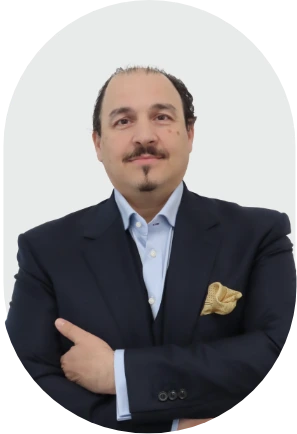
dr ahmed-ramzi-salman

Meet Your Laser Resurfacing Doctor

Dr Salman is Auralia's founder and our board-certified cosmetic surgeon. He combines decades of experience to deliver natural-looking, personalised results.

25 years of experience

+20,000 successful procedures

Irish Medical Council – No : 20406

+20,000 Successful Procedures
25 Years
of Experience
dr ahmed-ramzi-salman

DR. AHMED RAMZI SALMAN

MB. BCH. BAO. BMEDSC. Cosmetic Surgeon

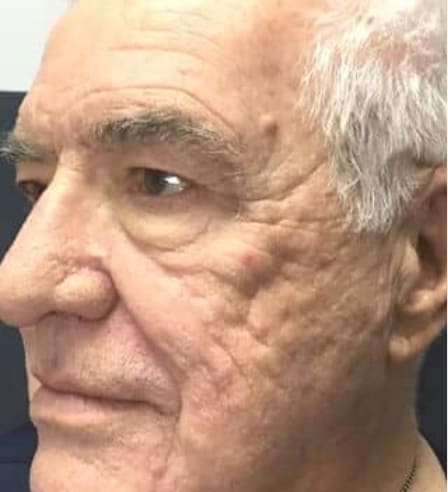
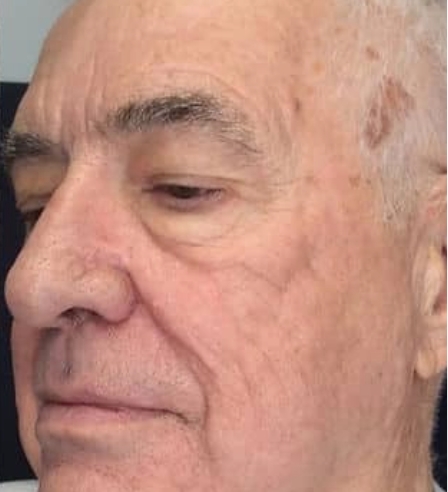
Before & After Laser Resurfacing

Edit Content
a man's face before laser resurfacing

Before

a man's face after laser resurfacing

After

Laser Resurfacing Process

Step 1: Preparation

The skin is cleansed and a topical anesthetic is applied to numb the area. In some cases, a mild sedative is given for comfort.

Step 2: Laser Application

The surgeon delivers precise, high-energy laser pulses to remove damaged skin layers and heat the underlying dermis.

Step 3: Controlled Healing Response

The thermal effect triggers collagen production, helping the skin rebuild stronger, firmer, and smoother from within.

Step 4: Aftercare & Recovery

A protective dressing is placed, and patients follow a structured skincare routine with ointments, gentle cleansers, and strict sun protection as the skin peels and rejuvenates over days to weeks.


Laser Types Used for Skin Resurfacing

Laser resurfacing can be performed with different technologies depending on your skin concerns, downtime preferences, and treatment goals. The most suitable device and settings for you will be determined during your consultation.

LASER

Ablative Lasers

Ablative lasers precisely remove the outer layers of damaged skin while heating the deeper dermis to stimulate collagen production.

Non-Ablative Lasers

Non-ablative lasers heat the deeper layers of skin without removing the surface. This triggers collagen remodeling with minimal disruption.

LASER
LASER
LASER

Fractional Lasers

Fractional technology treats only microscopic columns of skin at a time, leaving surrounding tissue intact to speed recovery.

Why Choose Auralia for Your Laser Resurfacing

Unmatched Experience

25 years of experience and over 35,000 procedures performed.

International Accreditation

Internationally accredited private hospital with state of art the facilities. No long waiting lists!

Expert Team

A full experienced medical team led by one of Ireland’s most experienced cosmetic surgeons.

All-Inclusive Package

Everything from surgeon & theatre, to aftercare and follow ups with monthly payment options—no hidden fees.

Personalised Care

Custom support from consultation to recovery, designed for you.

Patient Centric

A welcoming, judgment-free environment where your goals are always the priority

Awarded for Outstanding Patient Service

Featured In

Laser Resurfacing Cost & Finance in Ireland

Everything included. No hidden fees.

✦ Laser Resurfacing Care Plan ✦

✦ Free initial consultations

✦ Hospital, Doctor, anaesthesia, and dedicated theatre

✦ Post-operative nursing care in hospital

✦ Scheduled follow-ups and long term Irish aftercare

✦ 24/7 direct Doctor helpline (for emergency)

1 Area Price

From €58/month

Full Face Price

From €102/month

spread over 36 months

We’ll handle everything with you, so it feels simple and stress-free

Your Laser Resurfacing Journey With Auralia

Step 1.

Free, No Obligation Consultation Booking

To start your process, firstly book your consultation by calling us on (01) 612 0551 or filling a consultation form here.

Step 2.

Day-Case Procedure

On your procedure day, you’ll have a dedicated medical team to take care of you. The procedure duration can take from 30 mintues to 2 hours depending on areas treated, and you will leave the hospital on the same day .

Step 3.

Recovery & Aftercare

Your support continues long after the procedure. You’ll receive a full recovery plan, 24/7 access to our medical team via an emergency number, and in-person medical reviews (consultations) at our private hospital when needed.

Laser Resurfacing FAQs

Laser resurfacing uses concentrated light energy to remove damaged skin cells and stimulate collagen production. This controlled resurfacing improves texture, pigmentation, scars, and fine lines for smoother, clearer skin.

As with all treatments, please consider planning social events around treatments. Any potential complications will be discussed during consultation, and you will be given a copy in writing.

Laser resurfacing is effective for wrinkles and fine lines, acne scars, sun damage, hyperpigmentation, enlarged pores, rough texture, uneven tone, and mild skin laxity.

This varies by laser type and treatment goals. Ablative lasers may provide significant results in one session, while non-ablative or fractional lasers often require 3–5 sessions spaced weeks apart.

Non-ablative treatments may feel warm or prickly, while ablative lasers can be more intense. Topical numbing, local anesthesia, or mild sedation are commonly used to keep patients comfortable.

Downtime depends on the laser type:

  • Non-ablative: minimal downtime (redness 24–72 hours)

  • Fractional: light peeling and swelling (3–7 days)

  • Ablative: more intensive recovery (7–14 days) with visible skin renewal

Full healing and collagen remodeling continue for several weeks.

Initial improvements may be visible within 1–2 weeks, with continued enhancement over 3–6 months as new collagen forms. Results can last years with proper skincare and sun protection.

Laser resurfacing improves the current condition of the skin, but natural aging and sun exposure continue which will affect the results with time. Maintenance treatments and healthy skincare habits help prolong results.

Possible side effects include redness, swelling, peeling, temporary pigment changes, and sensitivity. Rare complications include scarring, prolonged discoloration, and infection, typically avoidable with proper aftercare and surgeon expertise.

Lighter skin tones have full access to most laser types. Darker skin tones can still be treated safely, but require careful device selection (often fractional or non-ablative) to avoid pigmentation issues.

Most patients receive numbing cream. For stronger ablative lasers, local anesthesia, nerve blocks, or mild sedation may be used for comfort.

Makeup is typically allowed once the skin has re-epithelialized and no longer has open or peeling areas, usually around 7–10 days for ablative resurfacing and within 24–48 hours for non-ablative treatments. Exercise should be avoided until swelling and heat sensitivity have settled, as increased blood flow can worsen inflammation; this is generally 7–10 days for ablative lasers and 2–5 days for milder treatments. Your Surgeon will give a precise timeline based on your skin response and treatment strength.

Yes. Ablative lasers remove the outer layers of damaged skin while heating the deeper dermis, which offers more dramatic results for wrinkles, scars, and texture but with longer downtime. Non-ablative lasers heat the deeper layers without removing surface skin, stimulating collagen with less downtime but more gradual, multiple treatment results. Fractional lasers can be ablative or non-ablative and work by treating microscopic “fractions” of the skin, leaving surrounding tissue intact to accelerate healing. This makes them a middle-ground option for patients seeking significant improvement with faster recovery.

Want to speak to our advisor on the phone?