
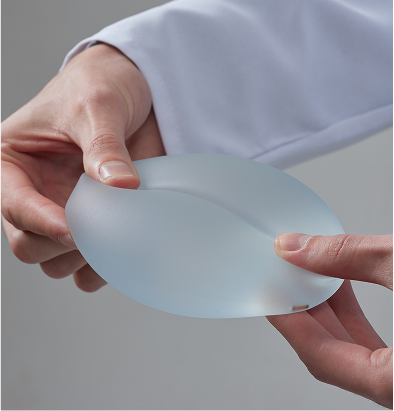
Breast augmentation has evolved significantly over the years. Today’s patients are looking for natural results, faster recovery and fewer complications. That’s exactly where Minimally Invasive Augmentation (MIA), also known clinically as Tissue-Preserving Breast Augmentation (TPBA), stands apart.
Backed by three years of clinical data and evaluation of 330 patients published in Aesthetic Surgery Journal, this approach represents a thoughtful shift in how surgeons create beautiful, stable, long-lasting results while protecting the breast’s natural anatomy.
What Is MIA (Minimally Invasive Augmentation)?
MIA, or Tissue-Preserving Breast Augmentation (TPBA), is a modern surgical technique designed to:
• Minimise surgical trauma
• Preserve natural breast support structures
• Create a precise implant pocket
• Reduce complication risk
• Improve long-term implant stability
Unlike traditional techniques that may disrupt key anatomical structures, MIA is intentionally designed to protect the breast’s natural stabilisation system — including the circummammary ligament and Cooper’s ligaments
Why does this matter? Because those structures are critical to maintaining breast shape, implant position, and long-term aesthetic outcomes.
The Study Results
Follow-up: Mean 18 months (range 3–33 months)
Technique: Tissue-preserving inframammary fold approach
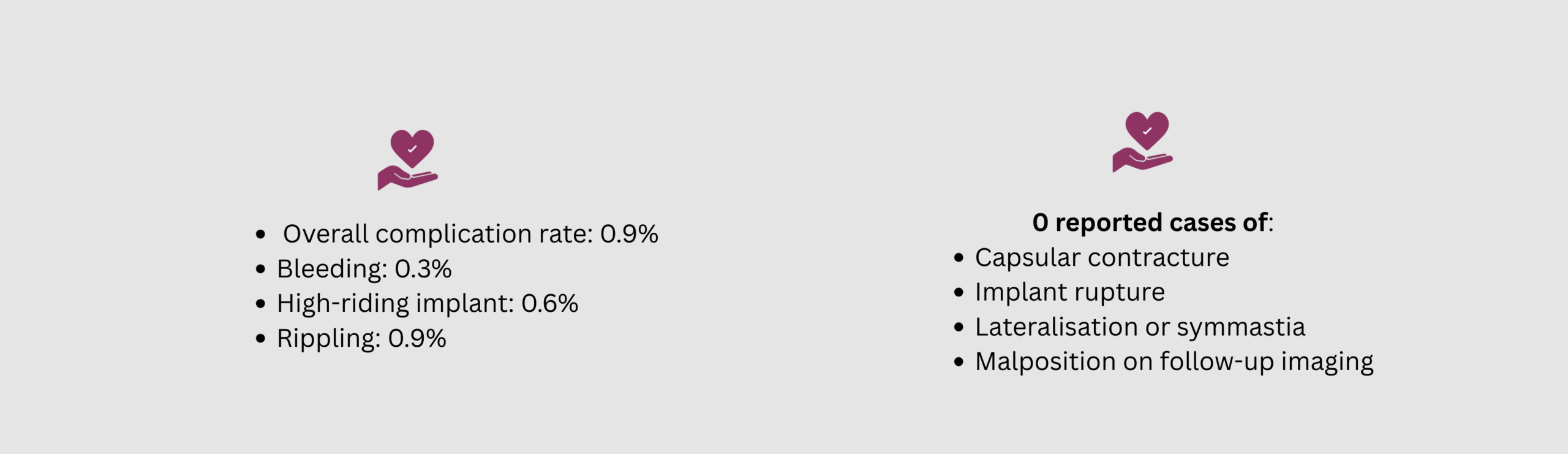
For context, capsular contracture and implant displacement are among the most common long-term concerns in breast augmentation, making these findings clinically meaningful.
Why Outcomes Are Strong
1️⃣ Smaller, Controlled Incision
Minimises tissue trauma.
2️⃣ Hydrodissection
Reduces bleeding and preserves planes.
3️⃣ Balloon-Created Pocket
Forms a precise, tight pocket matching implant volume.
4️⃣ Ligament Preservation
Protects Cooper’s ligaments and circum-mammary support structures — critical for long-term stability.
What This Means for Patients
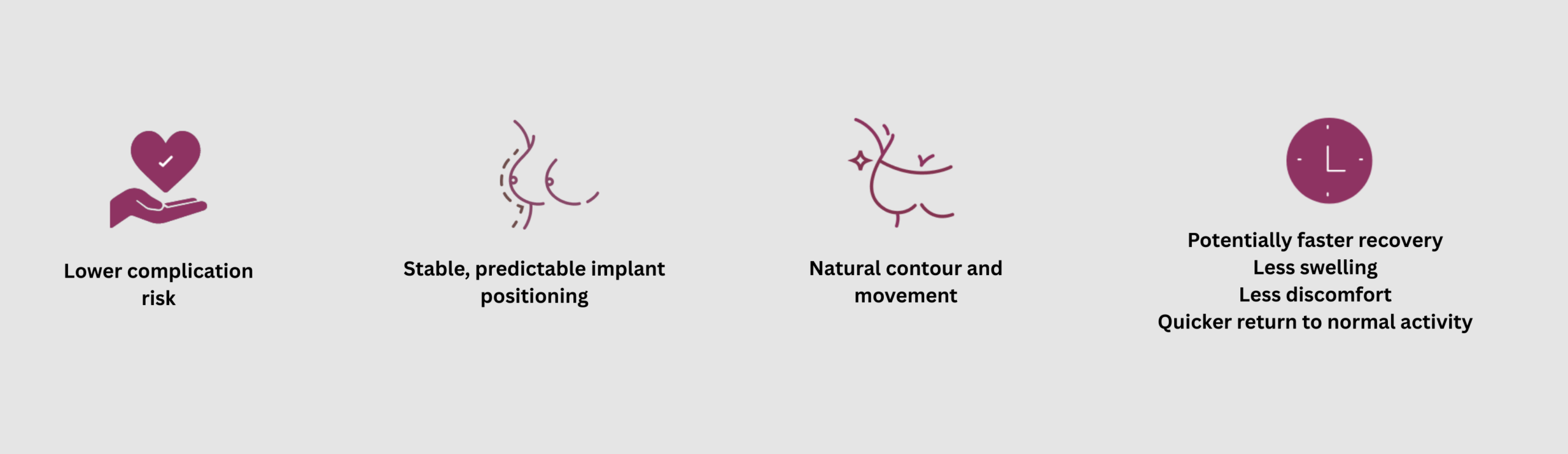
The Bigger Picture: A Philosophy Shift in Breast Surgery Traditional breast augmentation techniques often focused primarily on implant placement. MIA shifts the focus to tissue respect and structural preservation. That shift is important because:
• Long-term success depends on anatomy, not just the implant.
• Preserved ligaments provide ongoing support.
• Less disruption may reduce long-term complication risk.
The study authors conclude that Tissue-Preserving Breast Augmentation is safe, reproducible, reliable, and associated with a low complication rate over three years.
Is MIA Right for You?
MIA may be worth discussing with your surgeon if you value:
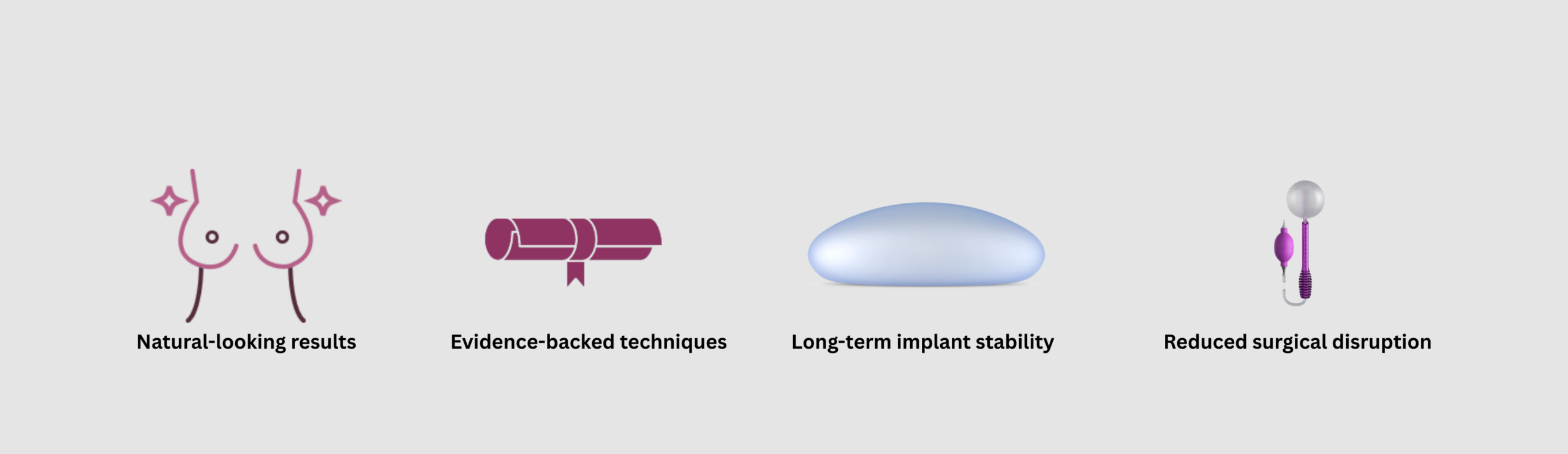
Every surgical plan should be individualised, but modern data suggests this approach is a significant advancement in breast augmentation technique.
Final Thoughts
MIA Breast Augmentation reflects a modern shift toward respecting the breast’s natural anatomy. This technique demonstrates low complication rates and strong implant stability. By preserving key support structures and minimising surgical trauma, MIA focuses on long-term outcomes rather than short-term results. For patients seeking natural-looking results through evidence-based surgery, MIA represents a thoughtful and well-supported approach.